

Capturing Smiles: Tips for Describing Facial Expressions
Facial expressions are the windows to the soul, revealing a wealth of emotions and thoughts without a single word. So, how can we accurately capture the essence of a smile or a frown in our writing? In this article, we’ll explore some tips for describing facial expressions that will help bring your characters to life on the page. From the subtle curve of a lip to the crinkle of an eye, we’ll delve into the nuances of facial expressions and how to convey them effectively in your writing. So, grab your pen and get ready to capture those smiles!
Contents
- Tips for Capturing Genuine Smiles
- The Importance of Observing Facial Expressions
- Understanding the Different Types of Smiles
- Recognizing Fake Smiles and Genuine Smiles
- Describing Microexpressions in Facial Expressions
- How to Capture Subtle Changes in Facial Expressions
- The Role of Context in Interpreting Facial Expressions
- Tips for Writing Vivid and Engaging Descriptions of Facial Expressions
- Using Body Language Cues to Enhance Descriptions of Smiles
- Key Takeaways
Tips for Capturing Genuine Smiles
To capture genuine smiles in your photos, it’s important to make your subjects feel comfortable and relaxed. Here are some tips for describing facial expressions:
- Engage with your subjects: Building a rapport with the people you are photographing can help bring out their authentic smiles. Ask them questions, make jokes, or play music to create a fun and relaxed atmosphere.
- Use natural lighting: Natural light can enhance facial expressions and make your subjects appear more vibrant and genuine. Avoid harsh overhead lighting, as it can create unflattering shadows on the face.
- Give genuine compliments: Praise your subjects for their smile, outfit, or pose. Genuine compliments can boost their confidence and make them feel more at ease in front of the camera.
| Tip | Description |
|---|---|
| Encourage laughter | Encouraging your subjects to laugh naturally can result in genuine smiles captured on camera. |
| Capture candid moments | Avoid forced poses and instead focus on capturing spontaneous moments that evoke genuine emotions. |
With these tips and tricks, you can easily describe facial expressions and capture truly authentic smiles in your photographs. Remember to be patient, create a positive environment, and allow your subjects to be themselves. Happy snapping!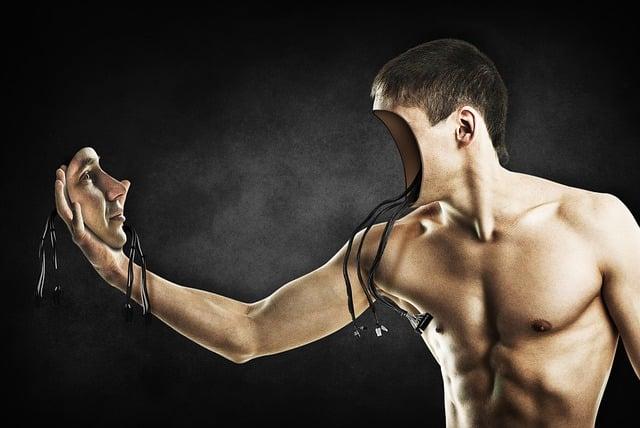
The Importance of Observing Facial Expressions
Facial expressions are a powerful form of nonverbal communication that can convey a wide range of emotions and messages. Being able to accurately observe and interpret facial expressions can greatly enhance your ability to understand and connect with others. Whether you are a writer looking to capture the nuances of emotion in your characters, a psychologist studying human behavior, or simply someone navigating social interactions, paying attention to facial expressions is key.
Some benefits of observing facial expressions include:
- Enhanced communication: By understanding the emotions behind someone’s facial expressions, you can better respond and empathize with them.
- Improved relationships: Being attuned to facial expressions can help you build stronger connections with others and foster better understanding and trust.
- Insight into hidden emotions: People may not always say what they are feeling, but their facial expressions can provide valuable insight into their true emotions.
- Adaptability: Recognizing facial expressions can help you adjust your own behavior and responses in various social situations.
When describing facial expressions in writing, it’s important to be specific and vivid. Use adjectives and adverbs to paint a clear picture for your readers. Consider the following tips:
- Focus on key features: Note details such as furrowed brows, a crooked smile, or twinkling eyes to bring your descriptions to life.
- Consider context: Think about the emotions behind the expression and how they might manifest physically. Is the smile genuine or forced? Is the furrowed brow due to confusion or anger?
- Show, don’t tell: Instead of simply stating that a character looks angry, describe how their nostrils flare, their jaw clenches, and their eyes narrow.

Understanding the Different Types of Smiles
When it comes to capturing smiles in writing, it’s important to understand the different types of smiles and how they can convey varying emotions. Each smile tells a story, whether it’s genuine happiness, politeness, or even a masked expression. Here are some tips for describing facial expressions and capturing smiles effectively:
- Genuine Smile: Also known as the Duchenne smile, it involves the muscles around the eyes, creating crow’s feet. This smile signifies true happiness and is heartfelt.
- Forced Smile: A smile that doesn’t reach the eyes. It may be used out of politeness or social norms, but lacks sincerity.
- Sarcastic Smile: A smirk or half-smile often used to convey irony or hidden meaning. It can be challenging to capture in writing, but subtle hints like raised eyebrows or a curled lip can help.
Understanding the nuances of each type of smile can add depth to your descriptions and help bring your characters to life on the page. Whether you’re writing fiction, non-fiction, or even creating dialogue, paying attention to facial expressions can enhance the emotional impact of your writing.

Recognizing Fake Smiles and Genuine Smiles
When it comes to capturing smiles in writing, it’s important to be able to distinguish between fake smiles and genuine smiles. Here are some tips to help you describe facial expressions accurately:
- Eye involvement: Genuine smiles involve the eyes, known as Duchenne smiles. Watch for crow’s feet around the eyes and a genuine sparkle to indicate a real smile.
- Mouth shape: Fake smiles typically involve just the mouth, whereas genuine smiles involve the entire face. Look for a slight lift in the cheeks and a natural curve in the lips for a genuine smile.
- Duration: Fake smiles tend to be held for a shorter period of time, while genuine smiles are more sustained. Pay attention to how long the smile lasts to determine its authenticity.
| Smile Type | Description |
|---|---|
| Fake Smile | Involves just the mouth, lacks eye involvement |
| Genuine Smile | Engages the entire face, includes eye involvement and cheek lift |
Describing Microexpressions in Facial Expressions
When it comes to capturing smiles and describing facial expressions, it’s important to pay attention to microexpressions. These subtle movements in the face can reveal a person’s true emotions, even when they are trying to conceal them. By honing your observation skills, you can become more adept at interpreting these fleeting expressions.
One key tip for describing microexpressions is to focus on specific facial features. Notice the way the eyes crinkle at the corners, the slight twitch of the lips, or the subtle furrowing of the brow. These small details can provide valuable insight into a person’s emotional state. In addition, pay attention to the overall energy and body language of the individual to get a more holistic understanding of their feelings.
Another important aspect to consider is the context in which the microexpression occurs. Is the person in a stressful situation? Are they trying to hide their true feelings? Understanding the circumstances surrounding the expression can help you interpret it more accurately. Remember that microexpressions are often quick and fleeting, so it’s essential to be vigilant and observant to catch them in the moment.
In summary, describing facial expressions, especially microexpressions, requires keen observation skills, attention to detail, and an understanding of the context. By focusing on specific facial features, body language, and the overall situation, you can better capture the nuances of a person’s emotions. Keep practicing and honing your skills, and you’ll become adept at reading and describing microexpressions in no time.
How to Capture Subtle Changes in Facial Expressions
When it comes to capturing subtle changes in facial expressions, it’s essential to pay attention to the smallest details. These subtle nuances can convey a wide range of emotions, from joy to sadness to surprise. Here are some tips for describing facial expressions:
- Observe closely: Take the time to study the person’s face carefully, paying attention to how their muscles move and the changes in their facial features.
- Use descriptive language: Instead of simply saying someone is happy, try to describe how their eyes crinkle at the corners and their lips turn up in a soft smile.
- Capture the context: Consider the environment and situation when describing facial expressions. A smile in one context could convey joy, while in another, it could be masking sadness.
- Practice empathy: Put yourself in the shoes of the person you’re observing and try to imagine how they might be feeling. This can help you convey their emotions more accurately.

The Role of Context in Interpreting Facial Expressions
Facial expressions play a crucial role in communication, helping us to understand the emotions and intentions of others. However, it’s important to remember that interpreting facial expressions is not always straightforward. Context plays a key role in deciphering the meaning behind someone’s smile or frown.
When describing facial expressions, consider the following tips to capture the nuances and subtleties of emotions:
– **Pay attention to the surrounding environment**: Take note of the setting in which the facial expression is occurring. Is the person in a crowded room, a quiet office, or a bustling street? The context can influence how the expression is interpreted.
– **Consider cultural differences**: Different cultures may have varying interpretations of facial expressions. What may be perceived as a smile in one culture could be seen as a grimace in another. Be mindful of cultural differences when describing facial expressions.
– **Look for micro-expressions**: Sometimes, people may display fleeting micro-expressions that provide insight into their true emotions. These brief expressions can reveal subtle cues about how someone is really feeling.
By being mindful of context and using these tips, you can enhance your ability to accurately describe and interpret facial expressions in various situations. Remember that facial expressions are just one piece of the communication puzzle, and taking the time to consider context can help you better understand the emotions behind the smiles and frowns you encounter.
Tips for Writing Vivid and Engaging Descriptions of Facial Expressions
When it comes to capturing the essence of a smile through writing, it’s important to pay attention to the details of facial expressions. By using specific language and vivid descriptions, you can bring your characters to life and create engaging scenes for your readers.
Here are some :
- Use sensory language to describe the feeling of the smile, such as the warmth spreading across the character’s face.
- Include details about the eyes, such as the crinkling at the corners or the way they light up with joy.
- Consider the overall effect of the smile on the character’s face, like the dimples that appear or the way their cheeks flush with happiness.
By incorporating these tips into your writing, you can create dynamic and realistic portrayals of facial expressions that will resonate with your readers and bring your characters to life.

Using Body Language Cues to Enhance Descriptions of Smiles
When it comes to describing smiles in writing, incorporating body language cues can truly enhance the vividness and authenticity of your descriptions. To effectively capture the essence of a smile, pay close attention to the subtle movements and gestures that accompany it. Here are some tips to help you craft detailed and engaging descriptions of facial expressions:
- Observe the eyes: The eyes play a significant role in conveying the sincerity and emotions behind a smile. Notice the crinkles at the corners, the sparkle in the eyes, and whether the smile reaches the eyes.
- Consider the lips: Take note of the curvature of the lips, the symmetry of the smile, and whether the smile is accompanied by dimples or not.
- Pay attention to the cheeks: Check if the smile causes the cheeks to rise, creating a rosy hue. Describe whether the smile is full or subtle, beaming or shy.
By incorporating these body language cues into your descriptions, you can paint a vivid and lifelike picture of a character’s smile, allowing readers to connect on a deeper level with your writing. Remember, the details matter when it comes to capturing the essence of a smile!
Key Takeaways
In conclusion, capturing smiles through descriptions is an art that requires attention to detail and the ability to convey emotions effectively. By using specific adjectives, focusing on the eyes and mouth, and considering the context of the smile, you can paint a vivid picture for your readers. Remember to stay authentic and true to the emotions you are trying to convey. With these tips in mind, you’ll be able to bring your characters to life and evoke a range of emotions in your readers. Happy writing!


