
Descriptive Essay on Standing on a Snowy Mountain: Writing Guide
✨ This article was AI edited. Editorial responsibility: School Essay Writer. Writing a descriptive essay on standing on a snowy mountain requires…
Applied writing guides provide structured rhetorical templates, sentence-level pacing frameworks, and narrative composition techniques for creative character development, third-person professional biographies, and concise critical summaries. Whether drafting a 100-word personal bio or developing multi-dimensional fiction scenes, strong prose relies on active verbs, deliberate point-of-view control, and concrete detail.
Browse 910+ applied writing tutorials, professional bio templates, and narrative craft guides below, or explore our Sensory & Descriptive Writing sub-hub and Applied Writing Protocol Matrix after the article grid.

✨ This article was AI edited. Editorial responsibility: School Essay Writer. Writing a descriptive essay on standing on a snowy mountain requires…

✨ This article was AI edited. Editorial responsibility: School Essay Writer. Describing the emotional experience of watching someone cry or sob requires…
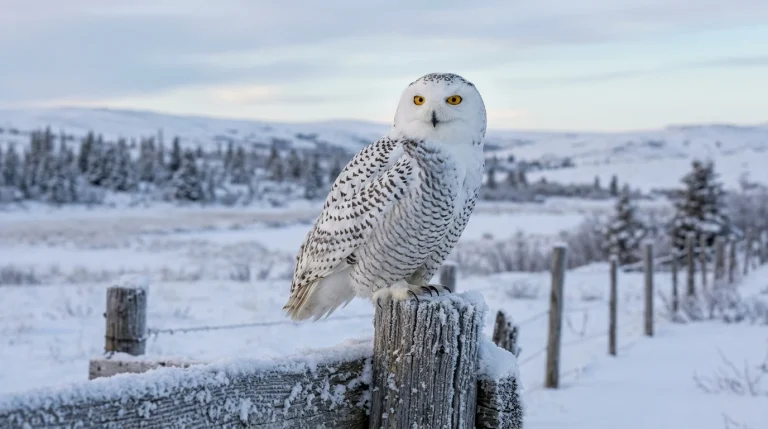
✨ This article was AI edited. Editorial responsibility: School Essay Writer. Describing a snowy owl‘s appearance requires precise anatomical vocabulary that captures…

✨ This article was AI edited. Editorial responsibility: School Essay Writer. Sensory description of places is a foundational creative and academic writing…

✨ This article was AI edited. Editorial responsibility: School Essay Writer. Writing emotionally unstable or volatile characters requires portraying psychological complexity through…

✨ This article was AI edited. Editorial responsibility: School Essay Writer. Writing a descriptive essay on a busy market requires immersing the…

✨ This article was AI edited. Editorial responsibility: School Essay Writer. Describing snowy weather in essay writing requires engaging all five human…

Crafting an engaging Instagram bio is key to creating a strong online presence. Keep it concise, showcase your personality, include key interests, and add a touch of creativity. Let your bio represent the best version of yourself to attract and engage with your audience effectively.

In this ultimate guide, we will explore the dos and don’ts of writing about kissing, from capturing the emotions to describing the physical sensations with clarity and finesse. Whether you’re crafting a romantic scene or a passionate love story, we’ve got you covered with expert tips and examples.

Crafting a self-introduction can be challenging, but by focusing on your unique qualities, experiences, and passions, you can create a memorable and authentic description of yourself. Here’s how to best describe yourself with confidence and clarity.

Are you looking to write a review about a company that stands out from the crowd? Follow these insider secrets to create a review that gets noticed and leaves a lasting impression. From highlighting key details to engaging storytelling, these tips will help you craft a review that truly resonates with your audience.

In a recent study on childhood development, researchers observed cooperative behavior in two-year-olds. Their findings shed light on how early social skills and sharing abilities develop in young children.

Self-expression is key to making a positive impression. When writing about yourself, focus on strengths, achievements, and unique qualities. Keep it concise and impactful, with just 100 words to showcase your best self. Remember, confidence and authenticity are key.

Learn insider techniques on how to write about yourself in third person with confidence and clarity. Discover tips and tricks to make your self-written bio stand out from the rest.
Envious Glances: Describing Jealousy in Writing with Nuance
Jealousy, a complex and common human emotion, can add depth and realism to our fictional characters. Mastering the art of describing jealousy in writing requires a nuanced approach. By employing subtle cues, body language, and internal monologues, writers can authentically portray envy, captivating readers in the process. In this article, we delve into the techniques that breathe life into envious characters, allowing their emotions to resonate with readers on a profound level. Join us as we unlock the secrets of depicting jealousy with finesse.

Weather fronts play a crucial role in describing air masses. They are boundaries where different air masses meet, influencing the weather patterns. Understanding their characteristics is essential for meteorologists to predict weather conditions accurately.

This excerpt appeals to readers’ emotions by using relatable examples and empathetic language to foster a deep emotional connection with the audience, ultimately drawing them in and resonating with their feelings.

Active listening is a crucial skill that fosters effective communication and engagement. By mastering techniques such as paraphrasing and mirroring, you can enhance your ability to truly connect with others and build stronger relationships.

When asked how your friends would describe you, it’s important to be genuine and self-aware. Reflect on your strengths, values, and experiences to provide an authentic response that showcases your best qualities.

Want to write a movie summary that grabs attention? Follow these tips to craft a concise yet compelling summary that captures the essence of the film and piques the interest of your readers. Master the art of summarizing movies to stand out as a writer.
Compare core creative, professional, and analytical writing tasks by point of view, target word count, and structural execution focus.
| Writing Format & Reference Guide | Target Length & POV | Core Structural & Stylistic Focus |
|---|---|---|
| Emotionally Complex Character Development | Scene-Level / 1st or 3rd POV | Internal contradiction, subtext-driven dialogue, and behavioral micro-actions. |
| Third-Person Professional Bio | 100–250 Words / 3rd POV | Full-name anchor in sentence one, credential synthesis, and objective authority. |
| Micro-Biography & Self-Introduction | 75–100 Words / 1st POV | High-density value proposition, defining achievement, and forward-looking hook. |
| Knowledge, Skills & Abilities (KSA) Statement | 300–600 Words / 1st POV | STAR-method evidence (Situation, Task, Action, Result) mapped to core competencies. |
| Critical Film & Narrative Summary | 250–500 Words / 3rd Present | Inciting incident, central conflict arc, and thematic synthesis without plot bloat. |
Explore step-by-step writing guides organized by creative characterization, professional self-presentation, and critical synthesis.
Open sentence one with your full name and primary professional role, use your last name or appropriate pronouns in sentences two and three to highlight quantified accomplishments, and close with your current academic or career focus.
Emotional complexity emerges when a character's external goal conflicts with an internal flaw or unspoken fear, revealed through physical micro-actions, subtext in dialogue, and selective sensory focus rather than explicit emotional labels.
Write in the literary present tense, open with the director or author, title, release year, and central thematic premise, trace the core conflict in 2 to 3 concise paragraphs without listing minor subplots, and conclude with the work's broader significance.