

How I Celebrate Eid Ul Adha Essay: Embracing Traditions and Faith with Joy!
Eid Ul Adha, also known as the Festival of Sacrifice, is a significant Islamic holiday that holds a special place in the hearts and traditions of Muslims around the world. From the delicious feasts to the heartfelt prayers, the celebration of Eid Ul Adha is a time for deep reflection, gratitude, and community unity. In this article, we will explore how I celebrate Eid Ul Adha, embracing the rich traditions and faith with joy and devotion. Join me on this spiritual journey as we delve into the beautiful customs and practices that make this holiday truly special.
Contents
- Embracing the Spirit of Sacrifice and Gratitude
- Preparing for Eid Ul Adha: Rituals and Traditions
- Gathering with Family and Community: Strengthening Bonds
- How I Celebrate Eid Ul Adha Essay: Embracing Traditions and Faith with Joy!
- Feasting and Sharing: Spreading Joy and Generosity
- Attending Eid Prayers: Connecting with Faith
- Reflecting on the Significance of Sacrifice
- Spreading Love and Kindness: Acts of Charity during Eid Ul Adha
- Keeping Traditions Alive: Passing Down Cultural Values
- Creating Lasting Memories: Celebrating Eid Ul Adha with Joy
- Future Outlook
Embracing the Spirit of Sacrifice and Gratitude
On the day of Eid Ul Adha, Muslims around the world come together to celebrate the spirit of sacrifice and gratitude. This special day marks the end of the Hajj pilgrimage and commemorates Prophet Ibrahim’s willingness to sacrifice his son Isma’il as an act of obedience to God. As we embrace the traditions and faith associated with Eid Ul Adha, we are reminded of the importance of selflessness, compassion, and gratitude.
One of the key rituals of Eid Ul Adha is the qurbani, or the sacrifice of an animal such as a sheep, goat, or cow. This act symbolizes our willingness to give up something precious to us for the sake of pleasing God. The meat from the sacrifice is shared with family, friends, and those in need, reinforcing the values of generosity and community.
Another important aspect of Eid Ul Adha is the practice of giving to charity, known as zakat. Muslims are encouraged to donate a portion of their wealth to help those less fortunate, demonstrating compassion and solidarity with the marginalized and vulnerable members of society.
As we gather with loved ones to partake in festive meals, exchange gifts, and offer prayers of thanks, let us remember the true essence of Eid Ul Adha – a time to reflect on our blessings, cultivate a spirit of gratitude, and recommit ourselves to living a life of service, sacrifice, and faith.

Preparing for Eid Ul Adha: Rituals and Traditions
As Eid Ul Adha approaches, Muslims around the world are busy preparing for this joyous occasion. The festival, also known as the Festival of Sacrifice, is a time to commemorate Prophet Ibrahim’s willingness to sacrifice his son as an act of obedience to God. It is a time of reflection, prayer, and celebration.
One of the key rituals of Eid Ul Adha is the sacrifice of an animal, such as a sheep, goat, or cow, as a symbolic gesture of obedience to God. The meat from the sacrifice is then divided into three parts: one part is given to the needy, one part is shared with family and friends, and the last part is kept for the family’s own consumption.
Another important tradition of Eid Ul Adha is the special Eid prayer that is performed in congregation at the mosque. After the prayer, families gather for a delicious feast of traditional dishes, sweets, and treats. It is a time for loved ones to come together, exchange gifts, and give thanks for their blessings.
Gathering with Family and Community: Strengthening Bonds
How I Celebrate Eid Ul Adha Essay: Embracing Traditions and Faith with Joy!
Eid ul Adha is a special time for me and my family as we come together to celebrate this important Islamic festival. It is a time of reflection, gratitude, and joy as we commemorate the willingness of Prophet Ibrahim to sacrifice his son for Allah’s sake.
During this Eid, we gather with our extended family and community members to strengthen our bonds and spread happiness. We start the day with a special prayer at the mosque, followed by a delicious breakfast with traditional dishes like biryani, kebabs, and sweets.
After the prayer and breakfast, we exchange gifts with our loved ones and visit relatives to spread joy and blessings. We also make sure to donate to charity and help those in need as a way of showing gratitude for our blessings.
Throughout the day, we engage in activities that bring us closer to our faith and traditions, such as reading Quran, sharing stories of Prophet Ibrahim, and teaching our children the importance of sacrifice and generosity. It is a day filled with love, unity, and the spirit of giving, reminding us of the values that bind us together as a family and community.

Feasting and Sharing: Spreading Joy and Generosity
Eid Ul Adha, also known as the Festival of Sacrifice, is a significant Islamic holiday that is celebrated with great joy and fervor by Muslims around the world. This special occasion marks the end of the annual Hajj pilgrimage to Mecca and commemorates the willingness of Prophet Ibrahim to sacrifice his son as an act of obedience to God. It is a time for feasting, sharing, and spreading joy and generosity among family, friends, and those in need.
One of the key traditions of Eid Ul Adha is the qurbani, or sacrifice, where a sheep, goat, cow, or camel is slaughtered and the meat is distributed among family, friends, and the less fortunate. This act of sharing and giving is a demonstration of faith, compassion, and generosity, as well as a reminder of the importance of helping those in need. It is a time to come together as a community, strengthen bonds, and spread joy and blessings to all.
During Eid Ul Adha, families gather to share delicious feasts and meals, exchange gifts, and offer prayers of gratitude and thanksgiving. It is a time to reflect on the blessings and abundance in our lives, as well as to remember those who are less fortunate and in need of our support. By embracing traditions and faith with joy and enthusiasm, we can experience the true spirit of Eid Ul Adha and spread love, peace, and unity in our communities and beyond.
May this Eid Ul Adha be a time of joy, blessings, and spiritual renewal for all believers, as we come together to celebrate our faith, traditions, and values with love, generosity, and gratitude. Eid Mubarak to all!
Attending Eid Prayers: Connecting with Faith
When I think about Eid Ul Adha, the first thing that comes to mind is the beautiful tradition of attending Eid prayers. It is a time where we gather with our community to connect with our faith and celebrate together. The feeling of unity and spirituality that fills the air during the prayers is truly uplifting and humbling.
During the prayers, we recite the Takbir aloud, proclaiming the greatness of Allah and expressing our gratitude for His blessings. This simple act of devotion reminds us of the true purpose of Eid – to celebrate our faith and remember the sacrifices made by Prophet Ibrahim (AS).
After the prayers, we exchange heartfelt greetings of ‘Eid Mubarak’ with our fellow worshippers, spreading joy and love. This tradition of sharing kindness and positivity with others is a beautiful way to strengthen our bonds with one another and with Allah.

Reflecting on the Significance of Sacrifice
In the spirit of Eid Ul Adha, holds immense importance for me personally. The act of sacrificing an animal during this holy festival symbolizes Prophet Ibrahim’s willingness to sacrifice his son in obedience to God’s command. This powerful gesture serves as a reminder of the values of faith, selflessness, and devotion that are integral to Islam.
Embracing this tradition with joy and gratitude, I find solace in the act of sharing the sacrifice with family, friends, and those in need. By partaking in the ritual slaughter, I am reminded of the blessings I have been bestowed and the importance of giving back to the community. The sense of unity and communal bond that is formed through this act of sacrifice is truly heartwarming and reinforces the values of compassion and charity.
As I celebrate Eid Ul Adha each year, I am filled with a sense of reverence and humility. The sacrifices made during this festival serve as a poignant reminder of the sacrifices that others have made for me and the sacrifices I am willing to make for the betterment of society. Through these acts of sacrifice, I am able to reaffirm my faith, strengthen my connection to God, and deepen my understanding of the values that define Islam.
Spreading Love and Kindness: Acts of Charity during Eid Ul Adha
One of the most cherished times of the year for Muslims around the world is the celebration of Eid Ul Adha. This special occasion is not only a time for prayers and reflection but also a time for giving back to those in need. Acts of charity play a significant role during Eid Ul Adha, as it is a time to spread love and kindness to those less fortunate.
During Eid Ul Adha, many Muslims choose to perform Qurbani, the ritual sacrifice of an animal, as a way to commemorate Prophet Ibrahim’s willingness to sacrifice his son for Allah. The meat from the sacrificed animal is then divided into three parts - one for the family, one for relatives and friends, and one for the less fortunate. This act of charity ensures that everyone can enjoy a hearty meal during this special time.
In addition to Qurbani, many Muslims also engage in other acts of charity during Eid Ul Adha. This may include donating money or food to those in need, volunteering at local shelters or food banks, or simply reaching out to neighbors and community members to spread joy and kindness. By embracing these traditions and faith with joy, Muslims can truly embody the spirit of Eid Ul Adha and make a positive impact in the world.
Keeping Traditions Alive: Passing Down Cultural Values
I remember the excitement that filled our household during Eid Ul Adha as a child. The savory aroma of biryani wafting through the air, the colorful decorations adorning our home, and the joy of spending time with loved ones – these memories are etched in my heart. This annual Islamic festival holds deep cultural and religious significance for me and my family, as we come together to celebrate faith, sacrifice, and unity.
On the morning of Eid, we wake up before dawn to perform the Fajr prayer and then head to the mosque for the special Eid prayer. After the prayers, we greet each other with hugs and well wishes of “Eid Mubarak,” spreading joy and love throughout the community. The day is filled with visits to family and friends, exchanging gifts, and feasting on delicious traditional dishes like kebabs, samosas, and sweet treats like baklava.
One of the most cherished traditions of Eid Ul Adha is the Qurbani, or the sacrifice of an animal as an act of obedience and gratitude to Allah. This ritual symbolizes the story of Prophet Ibrahim’s willingness to sacrifice his son Isma’il, and the importance of selflessness and devotion in one’s faith. The meat from the sacrificed animal is divided into three parts – one for the family, one for relatives and friends, and one for those in need, reinforcing the values of generosity and compassion.
As I reflect on the significance of Eid Ul Adha and the traditions that we continue to uphold, I am reminded of the importance of passing down cultural values to future generations. By embracing our roots, celebrating our heritage, and nurturing our faith, we keep our traditions alive and preserve the rich tapestry of our culture for years to come. Eid Mubarak to all, may this festive season bring you joy, peace, and blessings!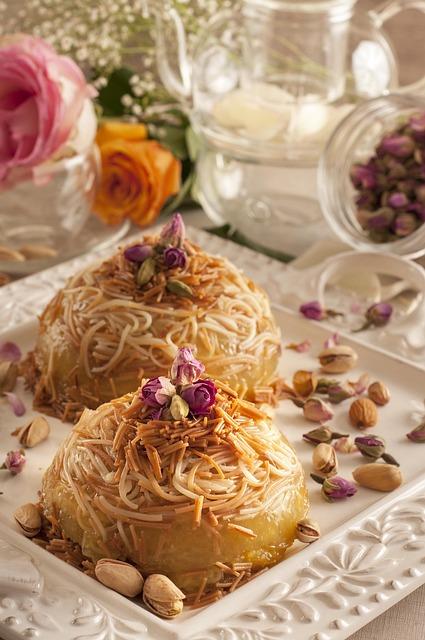
Creating Lasting Memories: Celebrating Eid Ul Adha with Joy
When it comes to celebrating Eid Ul Adha, it’s all about embracing traditions and faith with joy. This special occasion holds a significant place in the hearts of Muslims around the world, marking the end of the Hajj pilgrimage and commemorating Prophet Ibrahim’s willingness to sacrifice his son as an act of obedience to God. Here’s how I celebrate Eid Ul Adha, creating lasting memories filled with love and happiness.
First and foremost, the day starts with a special prayer at the mosque, where the community gathers to seek blessings and forgiveness. It’s a time for reflection, gratitude, and unity, as we come together to worship and celebrate our faith. The atmosphere is filled with peace and serenity, setting the tone for the rest of the day’s festivities.
After the prayer, it’s time to indulge in delicious traditional dishes with family and friends. From mouth-watering biryani to delectable kebabs, the feast is a central part of the celebration. We exchange gifts, visit loved ones, and spread kindness and generosity to those in need, following the teachings of Islam to share our blessings with others.
Throughout the day, we engage in acts of charity and sacrifice, reflecting on the importance of selflessness and humility. Whether it’s donating to those less fortunate or sharing the meat from the sacrificial animal with the needy, Eid Ul Adha is a time to show compassion and empathy towards our fellow human beings. By embodying these values, we create lasting memories that bring us closer to our faith and to each other.
Future Outlook
As we reflect on the joyous occasion of Eid ul-Adha and how we celebrate our traditions with faith and joy, it is important to remember the significance of this special holiday. From the act of sacrifice to the communal prayers and gathering with loved ones, Eid ul-Adha is a time to deepen our faith and strengthen our bonds with one another.
Embracing our traditions and sharing in the joy of this celebration not only brings us closer as a community but also helps us to appreciate the blessings we have been given. So, as we come together to celebrate Eid ul-Adha, let us do so with an open heart and a renewed sense of gratitude for our faith and traditions.
May this special occasion be a source of peace, happiness, and blessings for all of us. Eid Mubarak!


